



-AAA South-
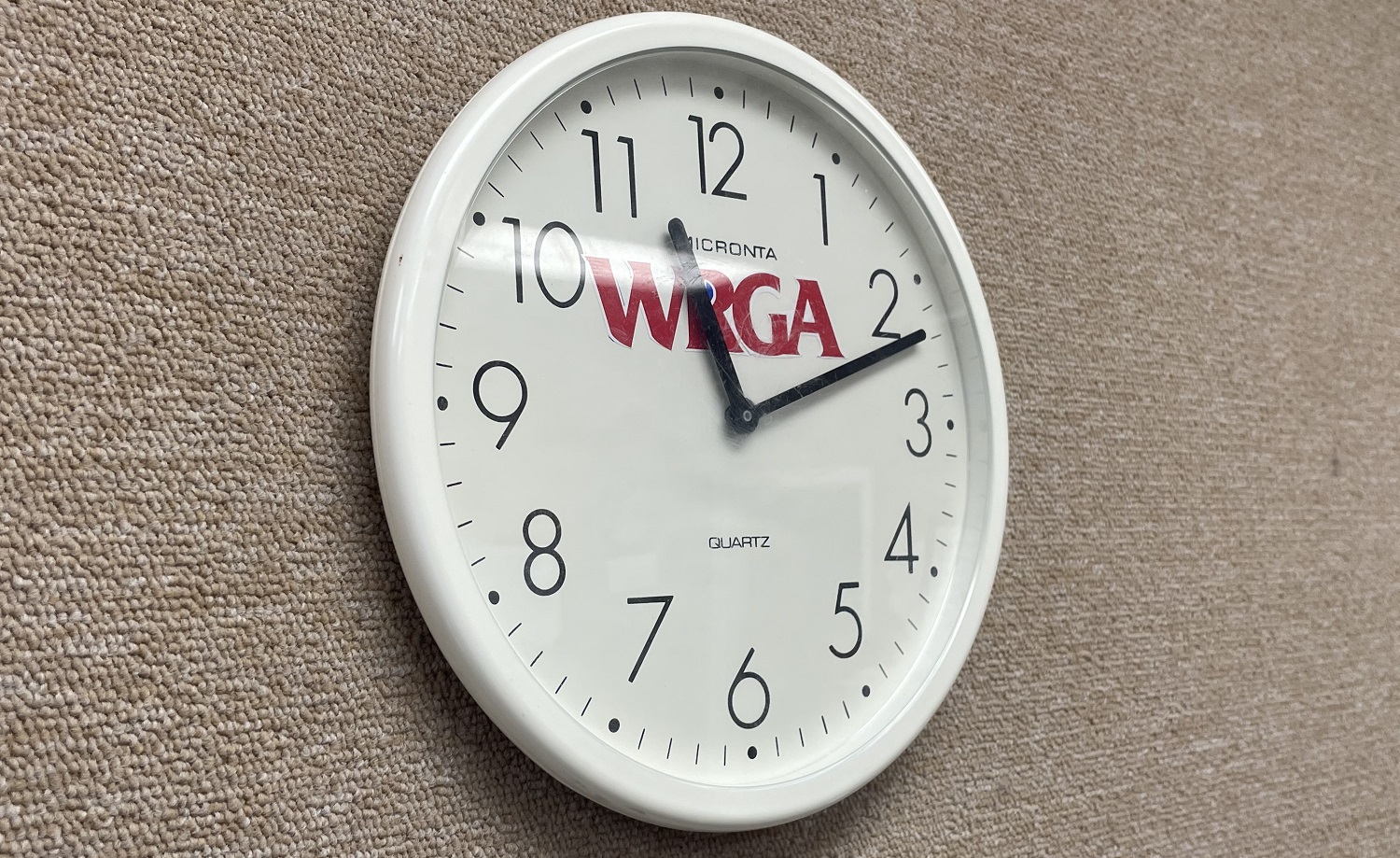
 When daylight saving time ends at 2 a.m. Sunday, November 1, clocks in most of the United States will move back one hour. While mornings will become brighter, darkness will arrive earlier, creating new visibility challenges during the evening commute.
“Drivers can expect a noticeable change in their commute almost overnight,” said Montrae Waiters, spokeswoman for AAA – The Auto Club Group. “Morning sun glare can make it difficult to see the road ahead, while earlier darkness makes pedestrians and cyclists harder to spot in the evening. Slow down, leave extra space and stay focused, especially around intersections and crosswalks.”
Earlier Darkness Creates Risks for Pedestrians
The shift back to standard time means more evening travel will occur after sunset. Research from the AAA Foundation for Traffic Safety found that the increase in pedestrian fatalities since reaching a historic low in 2009 has occurred almost entirely in darkness, primarily on urban arterial roads.
Research from IIHS also found that pedestrian deaths rise when standard time resumes, reinforcing the increased risks pedestrians and bicyclists face in low-light conditions.
Drowsy Driving Remains a Concern
The time change also serves as an important reminder about the dangers of driving while fatigued. NHTSA reports that 644 people were killed in drowsy-driving-related crashes in 2024. The agency cautions that drowsiness can be difficult for crash investigators to identify, meaning the full scope of the problem is difficult to measure.
Warning signs include trouble keeping your eyes open, drifting from your lane or not remembering the last few miles driven. Drivers who become drowsy should pull over somewhere safe and rest rather than try to push through fatigue.
AAA Offers Tips for Changing Driving Conditions
During morning drives:
- Prepare for sun glare. Keep sunglasses within reach, use the sun visor and avoid looking directly at the sun.
- Keep a clear view. Clean the windshield inside and out, since haze, dust and streaks can intensify glare.
- Leave more room. Increase following distance and anticipate sudden braking when drivers ahead encounter glare.
When driving after dark:
- Make sure you can see and be seen. Check headlights, taillights, brake lights and turn signals, and replace yellow or cloudy headlight lenses.
- Adjust for reduced visibility. Reduce speed, increase following distance and drive slowly enough to stop within the area illuminated by your headlights.
- Watch for people outside vehicles. Scan intersections, shoulders, bus stops and crosswalks for pedestrians and cyclists who may be difficult to see.

Comments